

In 2026, the world of selling looks very different from just a year or two ago. Buyers are more informed, decision cycles are more complex, and competition is higher than ever. If you want to close more deals in 2026, you need proven sales methods that align with how modern B2B buyers evaluate solutions and make decisions.
This guide explores proven sales tactics, modern sales technique frameworks, and a practical playbook that sales organizations can use to increase revenue in 2026. You’ll learn how top sales teams adapt their outreach, use AI insights, build stronger relationships with each prospect, and create a system that helps them consistently close deals.
If you’re a sales leader, sales rep, or part of a growing B2B company, this article will show you sales techniques that actually work and how to apply them to your pipeline today.
1. What Sales Tactics Work Best for Prospecting in 2026?
Sales prospecting has evolved significantly. In 2026, successful sales professionals focus on relevance instead of volume. Instead of sending generic outreach messages to hundreds of contacts, the modern approach focuses on understanding the prospect, their industry, and the specific pain point they’re experiencing.
The best reps research each buyer carefully before initiating a message. They study the company’s recent announcements, evaluate the stakeholder structure, and tailor the conversation so it resonates with the prospect’s role. This level of preparation improves reply rates and helps sales reps start meaningful conversations earlier in the sales cycle.
Many B2B companies are also adjusting their go-to-market strategy to focus on high-quality leads rather than large lead lists. Effective lead generation now involves identifying the right decision-making group within an organization and ensuring that your value proposition matches the real business challenge.
Top 20 Sales Tactics That Actually Work in 2026
1. Gap Selling (Problem–Solution Alignment)
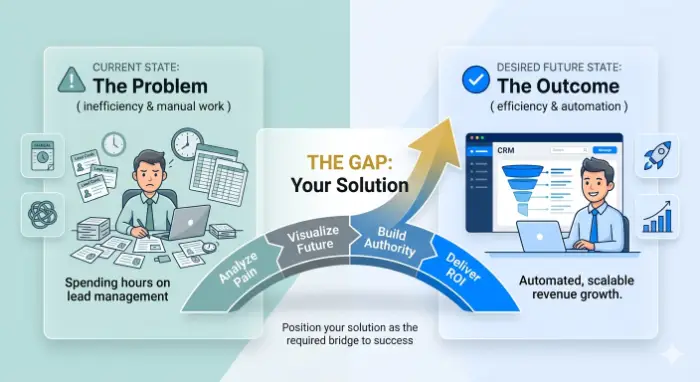
Gap selling is one of the most powerful sales tactics in 2026 because it shifts the focus from your product to the buyer’s situation. Instead of starting with a pitch, you first identify where the prospect currently stands and where they want to be. The difference between these two points is the “gap.” Your job is to clearly define that gap and position your solution as the bridge that helps them achieve their desired outcome.
For example, if a company is spending hours manually managing leads, you quantify that inefficiency and show how your solution reduces that time significantly. This creates urgency because the prospect starts visualizing the improvement. When done right, gap selling not only improves conversions but also builds strong trust because the buyer feels understood.
2. Flip the Script (Buyer-Led Selling)
Flip the Script is about reversing the traditional sales dynamic where the salesperson tries to convince the buyer. In this approach, you guide the conversation in such a way that the buyer convinces themselves. Instead of pushing your product, you ask smart, strategic questions and share insights that lead the prospect toward their own conclusion.
This works especially well in modern B2B environments where buyers resist aggressive selling. By positioning yourself as a consultant rather than a seller, you reduce pressure and increase engagement. When prospects feel in control of the decision, they are more confident moving forward, which significantly improves conversion rates.
3. Challenger Sale (Insight-Based Selling)
The Challenger Sale focuses on teaching prospects something new about their business that they may not have considered. Instead of simply understanding their problem, you challenge their current thinking with valuable insights. This includes highlighting risks, missed opportunities, or inefficiencies they might not be aware of.
The key here is to combine education with relevance. You introduce an idea, connect it directly to their business, and guide them toward a better approach. This builds authority and positions you as an expert rather than just another vendor. When executed correctly, this tactic helps you stand out in competitive markets.
4. Social Selling on LinkedIn
Social selling has become essential in 2026, especially for B2B sales. Instead of reaching out cold, you first build familiarity by engaging with your prospects on platforms like LinkedIn. This includes liking posts, commenting thoughtfully, and sharing valuable content.
Over time, this consistent interaction makes your name recognizable. So when you finally send a message, it doesn’t feel like a cold approach. It feels like a continuation of an existing connection. This drastically improves response rates and helps you build a stronger pipeline.
5. Using Buyer Intent Signals
One of the smartest sales tactics today is focusing on prospects who are already showing interest. Buyer intent signals include actions like visiting your pricing page, downloading resources, or engaging repeatedly with your content.
These signals indicate that the prospect is already in the consideration phase. By reaching out at this moment, you increase your chances of conversion because the timing is right. Instead of chasing every lead, you prioritize those who are most likely to buy.
6. Precision Targeting with Sales Navigator
No matter how good your pitch is, it won’t work if you’re targeting the wrong people. That’s why precise targeting is critical. Tools like LinkedIn Sales Navigator allow you to filter prospects based on industry, role, company size, and more.
This ensures that your outreach is directed toward individuals who actually fit your ideal customer profile. Better targeting leads to more relevant conversations, higher engagement, and ultimately, better conversion rates.
7. Multi-Threading (Engaging Multiple Stakeholders)
In modern B2B sales, decisions are rarely made by a single person. There are usually multiple stakeholders involved, each with different priorities. Multi-threading means building relationships with several people within the same organization.
By doing this, you reduce the risk of deals falling through if one contact becomes unresponsive. It also helps you address concerns from different perspectives, making it easier to get collective approval. This is especially important for complex and high-value deals.
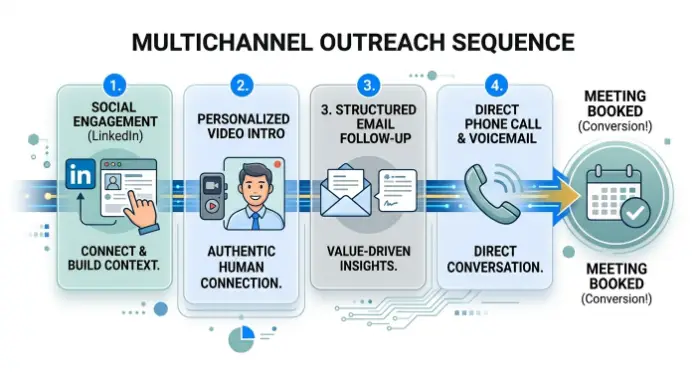
8. Multi-Channel Outreach
Relying on a single communication channel is no longer effective. Prospects may ignore emails but respond on LinkedIn, or vice versa. That’s why multi-channel outreach is crucial.
By combining LinkedIn, email, calls, and even video, you increase your chances of reaching the prospect. Each channel reinforces your presence and creates multiple touchpoints, which improves overall engagement and response rates.
9. Personalized Outreach
Generic messages are easy to ignore. Personalized outreach, on the other hand, captures attention. This involves referencing something specific about the prospect, such as their recent activity, company news, or role.
Even small details can make a big difference. Personalization shows effort and signals that you’re genuinely interested in helping, not just selling. This approach significantly increases reply rates and sets the tone for meaningful conversations.
10. Video Selling
Video selling is becoming increasingly popular because it adds a human touch to digital communication. Instead of sending plain text messages, you can record short videos to introduce yourself, explain your solution, or follow up after a meeting.
Seeing your face and hearing your voice builds trust much faster than text alone. It also helps you stand out in crowded inboxes. For complex solutions, video is especially effective because it allows you to explain ideas more clearly.
11. Value-Based Selling
One of the biggest mistakes in sales is focusing too much on features. Value-based selling shifts the focus to outcomes. Instead of explaining what your product does, you explain how it improves the buyer’s situation.
For example, instead of talking about technical features, you highlight how your solution saves time, reduces costs, or increases revenue. This aligns your message with what the buyer actually cares about, making it more compelling.
12. Consultative Discovery Calls
Discovery calls should not feel like interrogations. Instead, they should feel like consulting sessions where you genuinely try to understand and help the prospect.
By asking thoughtful questions and offering insights during the call, you demonstrate expertise and build credibility. This approach makes the prospect more comfortable and increases the chances of moving forward in the sales process.
13. Active Listening
Active listening is a simple yet powerful tactic. It involves fully focusing on what the prospect is saying, asking follow-up questions, and confirming your understanding.
When prospects feel heard, they are more likely to trust you. This also helps you uncover deeper pain points, allowing you to position your solution more effectively.
14. Reading Non-Verbal Signals
In video calls, communication goes beyond words. Body language, facial expressions, and tone can reveal how a prospect truly feels.
By paying attention to these signals, you can adjust your approach in real-time. For example, if the prospect seems confused, you can clarify your point. If they show interest, you can go deeper into that topic.
15. Addressing Objections Early
Many salespeople avoid objections, but addressing them early can actually strengthen your position. If you sense concerns about pricing, competition, or implementation, bring them up proactively.
This shows confidence and transparency. It also prevents surprises later in the process, making it easier to move the deal forward.
16. Asking for Referrals
Referrals are one of the highest-converting sources of leads. When someone recommends you, trust is already established.
Make it a habit to ask satisfied customers for introductions. Even a single referral can lead to multiple opportunities, making this a highly efficient growth strategy.
17. Sales and Marketing Alignment
Sales and marketing work best when they collaborate. Marketing creates content, while sales provides real-world insights.
By working together, you can create case studies, whitepapers, and resources that directly address customer needs. This strengthens your credibility and supports your sales conversations.
18. Using Customer Success Stories
Nothing builds trust like real results. Sharing customer success stories helps prospects see what’s possible.
When you present a relatable example, it reduces uncertainty and makes your solution more believable. This is especially powerful during the decision-making stage.
19. Simplifying the Buying Process
Even interested prospects may drop off if the buying process is complicated. That’s why it’s important to make everything simple and clear.
This includes easy-to-understand proposals, quick responses, and smooth scheduling. Reducing friction at every step increases the chances of closing the deal.
20. Using Tools Without Losing Human Touch
Modern sales tools help with prospecting, tracking, and follow-ups. However, they should support your efforts, not replace human interaction.
The most successful sales professionals use tools to stay organized and efficient, while still focusing on building genuine relationships. Technology opens doors, but human connection is what ultimately closes deals.
How AI Is Changing Sales Prospecting and Outreach
AI has become a central component of modern sales organizations. Today, AI tools help analyze buyer behavior, identify trends, and recommend the next best action during outreach.
In 2026, AI-powered prospect analysis helps sales teams identify patterns across their pipeline. These insights help a rep understand which companies are most likely to convert and where to invest time for better ROI. Instead of guessing, sales professionals now rely on data-driven signals.
Another advantage of AI sales capabilities is personalization at scale. By analyzing conversations, engagement history, and industry context, AI tools help tailor messages that resonate with a prospect. This approach improves sales performance while reducing the cost of inaction that occurs when teams chase the wrong leads.
3. Why Modern Buyers Expect a Different Sales Conversation
The modern buyer behaves very differently compared to earlier years like 2025. Many buyers prefer a rep-free buying experience in the early stages, meaning they conduct research independently before engaging with a salesperson.
Because of this shift, sales techniques that actually work in 2026 focus on guiding the buyer rather than pushing a product or service. Instead of aggressive pressure tactics, great sales conversations involve education, insights, and relevant content that supports better decision-making.
Top performers understand that every buyer is at a different stage in the funnel. The best approach is to adapt your message and sales pitch depending on where the prospect is in the buying journey.
4. How LinkedIn and Digital Outreach Help Build a Strong Pipeline
LinkedIn has become one of the most important platforms for modern sales prospecting. It allows sales professionals to identify prospects, monitor industry discussions, and engage in a natural way before starting a sales conversation.
In 2026, effective outreach on LinkedIn is built around multiple touchpoints rather than a single message. Reps interact with posts, share relevant content, and gradually build trust before discussing their solution.
This strategy strengthens the sales funnel and helps build a healthier pipeline. When prospects recognize your expertise before the initial conversation, they are more open to learning about your product or service and its potential ROI.
5. What Role Does CRM and Analytics Play in Sales Success?
A well-managed CRM system is essential for managing deals effectively in 2026. CRM platforms help track every prospect interaction, store communication history, and organize opportunities within the sales process.
Analytics inside CRM platforms provide valuable insights into win rate, close rate, and overall sales performance. These insights help sales leaders identify which techniques that work are driving results and which areas require improvement.
Many sales organizations use analytics to refine their workflow and improve quota achievement across the team. By tracking each stage in the funnel, companies can identify where deals slow down and optimize their sales motion.
6. Which Sales Techniques Help Close More Deals in Complex B2B Sales?
Complex deals often involve multiple stakeholders, longer sales cycles, and higher expectations from buyers. In these cases, traditional methods rarely work.
One of the most effective b2b sales techniques today is focusing on problem discovery rather than product explanation. Instead of starting with features, sales reps explore the customer’s pain point and explain how their solution addresses it.
Another powerful sales technique involves reframing the conversation around measurable outcomes. When prospects clearly understand the ROI and the impact on business results, they are more likely to move forward and close a deal.
7. How Sales Leaders Improve Sales Performance with Coaching
Sales leaders play a critical role in shaping successful teams. In 2026, sales coaching focuses on improving specific behaviors that influence outcomes during sales conversations.
Modern sales training emphasizes real scenarios, role-playing exercises, and performance analysis. This allows sales reps to refine their messaging and improve how they handle objections during the sales cycle.
Top sales organizations also invest in sales enablement strategies that provide the team with resources, insights, and best practices to succeed consistently.
8. How to Identify Buying Signals and Move Deals Forward
Recognizing buying signals is a major advantage in modern sales. These signals may include repeated engagement with content, interest from multiple stakeholders, or detailed questions about implementation.
When a prospect shows buying signals, sales professionals should adjust their approach and guide the conversation toward next steps. This may include scheduling a demo, presenting a use case, or demonstrating the value proposition more clearly.
Understanding these signals helps improve the overall sales success rate and ensures the sales team focuses on opportunities that are most likely to convert.
9. What Sales Closing Techniques Work Best Today?
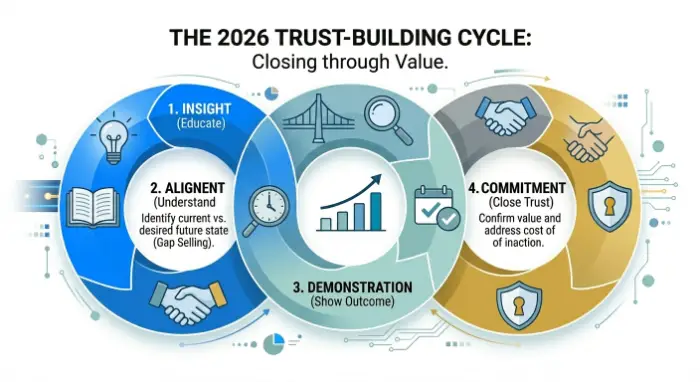
Sales closing in 2026 requires subtlety and confidence rather than pressure. The most effective closing techniques involve aligning the solution with the buyer’s priorities and demonstrating clear outcomes.
Instead of pushing for a quick decision, successful reps focus on building consensus among stakeholders involved in the decision-making process. This is especially important in complex deals where multiple departments influence the final choice.
Strong sales closing techniques also involve reframing concerns and helping the buyer understand the cost of delaying action. This helps move deals forward while maintaining trust.
10. How Great Sales Teams Build a Repeatable Sales Process
The most successful sales organizations follow a structured playbook that ensures consistency across every deal. A repeatable sales process helps teams scale their efforts and maintain quality in every interaction.
This process includes clearly defined stages, optimized workflows, and a clear GTM strategy that aligns marketing and sales goals. With the right structure, sales teams can manage the pipeline more effectively and maintain steady growth.
Sales leaders who focus on building a repeatable system often see improvements in quota attainment, sales performance, and overall revenue growth.
FAQs
To close more deals in 2026, sales professionals should focus on building trust, understanding buyer intent, and using structured follow-ups. Aligning the value proposition with the buyer’s business goals significantly improves conversion rates.
LinkedIn is a key platform for B2B sales because it allows professionals to connect with decision-makers, build relationships, and engage with prospects before starting a sales conversation. It helps improve outreach effectiveness and pipeline quality.
CRM systems help manage leads, track interactions, and organize the sales pipeline. In 2026, CRM tools also provide insights into performance metrics like win rate and help sales teams optimize their workflow.
Handling sales objections requires understanding the buyer’s concerns and addressing them with clear, value-based responses. Instead of pushing back, successful sales reps reframe objections and demonstrate how their solution delivers ROI.