

- LinkedIn InMails and cold emails both offer valuable channels for outreach campaigns, but their effectiveness depends on your audience and goals.
- Sending connection requests on LinkedIn and using direct messages can complement cold emails for more personalized prospecting.
- Sales reps can streamline their outreach process by using both LinkedIn InMail messages and cold emails to target leads efficiently.
- Cold emails offer broader reach, while LinkedIn messages enable more direct engagement with LinkedIn members for better lead generation.
- Combining LinkedIn and email provides the best approach for multichannel outreach efforts, helping you reach and connect with people across platforms.
When it comes to business outreach, two heavyweights constantly battle for dominance: cold email vs LinkedIn message vs Inmail. If you’re trying to build relationships, fill your sales pipeline, or simply connect with potential leads, you’ve probably wondered, “Which method actually gets better results?” Well, it’s time to find out! We’re diving deep into the pros, cons, and effectiveness of both cold email marketing and LinkedIn outreach to help you decide which will help you level up your B2B outreach strategy.
When it comes to sales teams, sending LinkedIn cold messages makes a lot of sense. But, is it better than sending a cold email or is LinkedIn outreach not sensible?
Cold Email: Overview
Sending a cold email is like throwing a fishing line into the ocean. You don’t always know what’s lurking beneath, but if you do it right, you might reel in something good. Cold email outreach is when you send unsolicited emails to potential leads, prospects, or clients, hoping to catch their interest. Think of it as the digital version of knocking on doors.
Advantages of Cold Email
- Wider Reach: With cold emails, you’re not limited to the people you’re connected with on platforms like LinkedIn. You can reach out to anyone with an email address, which means virtually anyone, anywhere.
- Personalization at Scale: Using tools like sales prospecting tools and email automation platforms, you can send personalized emails to a large number of people without breaking a sweat.
Cost-Effective: Aside from your time and maybe some email tools, cold emailing is pretty cheap. No need for a LinkedIn Premium account or fancy extras.
Disadvantages of Cold Email
- Spam Filters: Let’s be real, no one likes landing in the spam folder. Cold emails run the risk of getting caught by spam filters, reducing your deliverability.
- Lower Open Rates: People tend to ignore cold emails if they’re too generic or feel like, well, spam. Crafting a well-crafted cold email is essential to avoid being overlooked
- Longer Response Time: Even if your email is opened, there’s no guarantee of a quick response. Some emails sit for days, weeks, or forever without a reply.
LinkedIn Outreach: Overview
LinkedIn prospecting is more like knocking on a neighbor’s door whom you know, at least a little bit. On LinkedIn, the connection is warmer, especially if you’ve already interacted with the person through LinkedIn InMails or a connection request. It’s personal, and people are typically on LinkedIn for business purposes, which makes your outreach feel more targeted.
Advantages of LinkedIn Messages
- Professional Context: Since LinkedIn is designed for business networking, recipients are generally more receptive to messages regarding work or partnerships.
- Profile Insights: Before sending a message, you can check the recipient’s LinkedIn profile to craft a highly personalized outreach message, an edge in any B2B outreach strategy.
- Faster Response: Many LinkedIn users are active daily, meaning you might get a quicker response than from a cold email.
Disadvantages of LinkedIn Messages
- Limited Reach: Unless you’re using LinkedIn Premium or Sales Navigator, you’re limited in how many messages you can send, especially to people who aren’t your connections.
- Automation Challenges: Unlike cold emails, LinkedIn automation tools are trickier to use, and going too automated might even get you flagged by LinkedIn’s spam filters.
- Higher Cost: Accessing LinkedIn InMails or using advanced tools like Sales Navigator can get pricey, especially compared to email.
Cold Email vs LinkedIn Message: Which is More Effective?
So, what’s the real deal? This is the ultimate question in the LinkedIn outreach vs email outreach debate.
Open and Reply Rate
Email vs LinkedIn response rates show that LinkedIn messages typically outperform. Why? People receive loads of emails daily, and unless your subject line is “fire”, you might be ignored. On the other hand, LinkedIn messages come with the recipient’s curiosity. Since it’s more personal, the response rates can be higher, especially if you’re using LinkedIn Sales Navigator to target the right people.
Follow-Up Strategy
Cold emails allow for structured, automated follow-ups, which is a strength in any B2B outreach strategy. LinkedIn follow-ups work best when done manually, keeping the conversation as human as possible. A cold email campaign might send out scheduled reminders, while LinkedIn outreach benefits from personalized touches.
Deliverability
Email deliverability can be tricky because of spam filters and email providers flagging your content as unsolicited. LinkedIn messages, on the other hand, are delivered directly to the platform’s inbox, giving you a better shot at being seen—assuming your message doesn’t scream “spam.” This improves cold email vs LinkedIn message visibility.
Cost Comparison
Cold email marketing is almost free if you’re not counting the hours you put into it or the cost of an email platform. LinkedIn messages, however, often require a Sales Navigator account or a LinkedIn Premium subscription if you want to send messages outside of your connections.
Data Management and Scalability
With cold email, you can easily manage large lists of prospects and scale your efforts using sales prospecting tools. LinkedIn outreach can be scaled, but it’s tougher without using some form of LinkedIn automation. Plus, LinkedIn limits how many connection requests you can send daily, which makes it harder to ramp up quickly.
Response Times
What is the success rate of LinkedIn messages? The answer to this question is that LinkedIn messages tend to get faster responses because recipients are in a professional mindset, ready to engage. Cold emails, while effective, can get lost in overflowing inboxes.
Best Practices for Cold Email
If you’re choosing cold emails as your go-to, here are some tips to make sure you’re crushing it.
Crafting an Engaging Subject Line
Your subject line is your first impression, so it’s gotta pop! Avoid sounding spammy. Keep it short, sweet, and to the point. Personalization works wonders here.
Structuring the Email Body
Hook them in the first sentence, keep it conversational, and make it about them, not you. Acknowledge a pain point or offer a solution, and be sure to include a clear call-to-action (CTA).
Follow-Up Strategies for Cold Emails
Don’t give up after one email. Cold email outreach is all about persistence. Have a follow-up schedule ready, and tweak your message based on whether they opened the email or clicked on any links.
Best Practices for LinkedIn Messages
When it comes to LinkedIn outreach, it’s all about making connections that matter. Whether you’re looking to generate leads, expand your network, or start meaningful conversations, these tips will help you craft the perfect message.
Personalizing Connection Requests
The golden rule of LinkedIn outreach? Personalization is key. If you’re just firing off generic connection requests, you’re doing it wrong. Instead, reference something specific about the person’s profile—maybe a shared experience, their latest post, or even a mutual connection. This small effort makes a big difference in getting your request accepted. Remember, you’re not just connecting; you’re building rapport.
Writing Effective Message Content
Once you’ve connected, the next step is messaging. But here’s the thing: LinkedIn messages aren’t cold emails. Keep the tone conversational, and don’t dive straight into a sales pitch. Open with something relatable, perhaps a compliment or an insightful comment about their industry. Make it clear why you’re reaching out but keep the message focused on offering value rather than asking for something right away.
Follow-Up Strategy for LinkedIn Messages
Following up on LinkedIn messages is a bit like nurturing a friendship. You don’t want to be overbearing, but you also don’t want to be forgotten. A good rule of thumb? Follow up after about a week if you haven’t heard back, referencing your previous message. And remember, keep the follow-up friendly, not pushy. It’s about conversation, not conversion (yet).
Cold Email: Metrics and Tools
Cold emails may feel old-school, but they’re still a killer strategy, if done right. However, to truly understand how well your cold email outreach is performing, you need to track key metrics and use the right tools.
Open Rates, Reply Rates, and Conversions
Open rates are the bread and butter of email marketing. If your cold emails aren’t being opened, you’ve got a subject line problem. Typically, a good open rate sits between 15% to 25%, but if you’re below that, it’s time to rework your approach. After the open, the next important metric is the reply rate—this tells you how many people are engaging with your message. Finally, don’t forget the ultimate goal: conversions. Whether it’s booking a meeting, signing up for a demo, or something else, your conversion rate is what truly matters.
Tools for Cold Email Outreach (Email Platforms, Templates, Tracking)
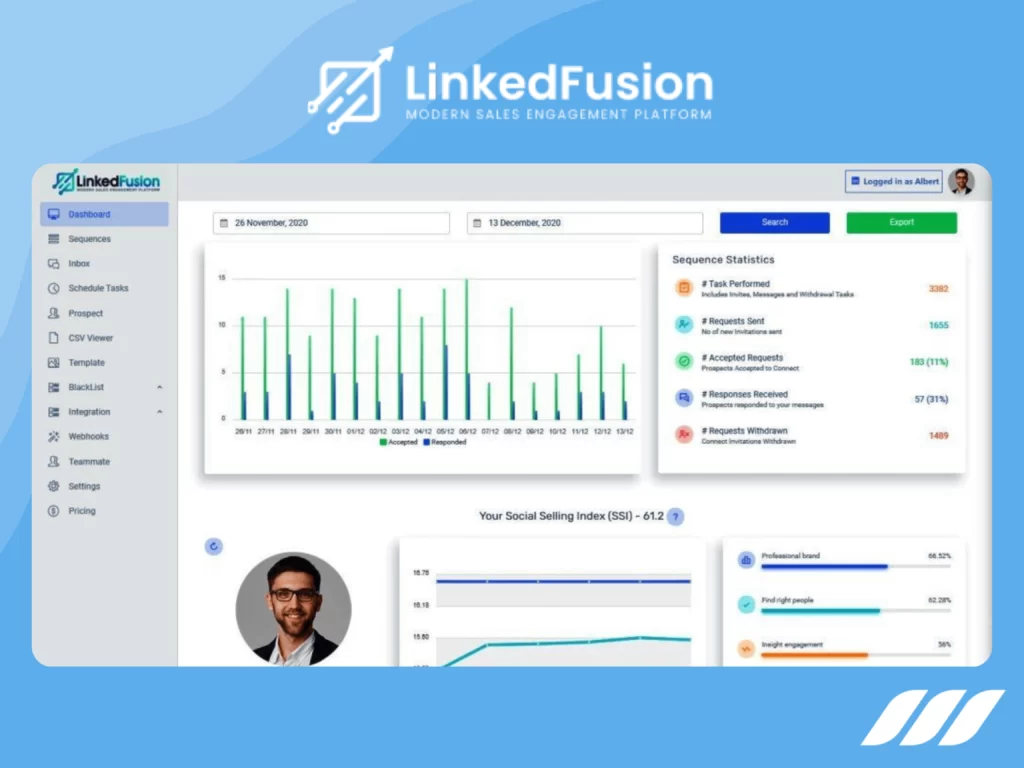
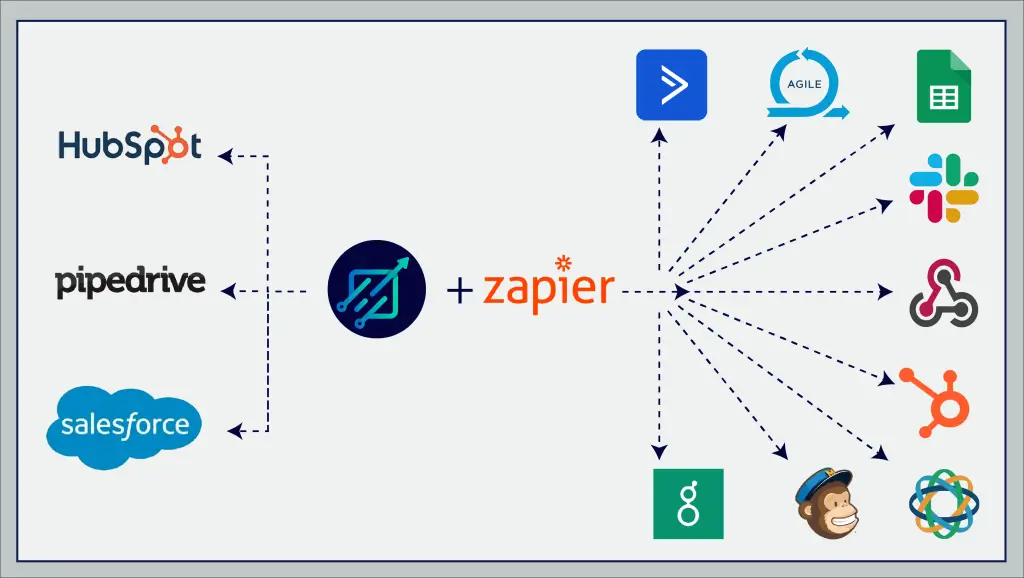
Tools like LinkedFusion, Mailchimp, or HubSpot help streamline your cold email campaigns by allowing you to automate, track, and scale your efforts. They offer pre-built email templates, saving you time while ensuring your message is consistent. These platforms also provide email tracking, so you can see who’s opening and clicking through your emails. The more data you have, the better you can fine-tune your strategy.
LinkedIn Messages: Metrics and Tools
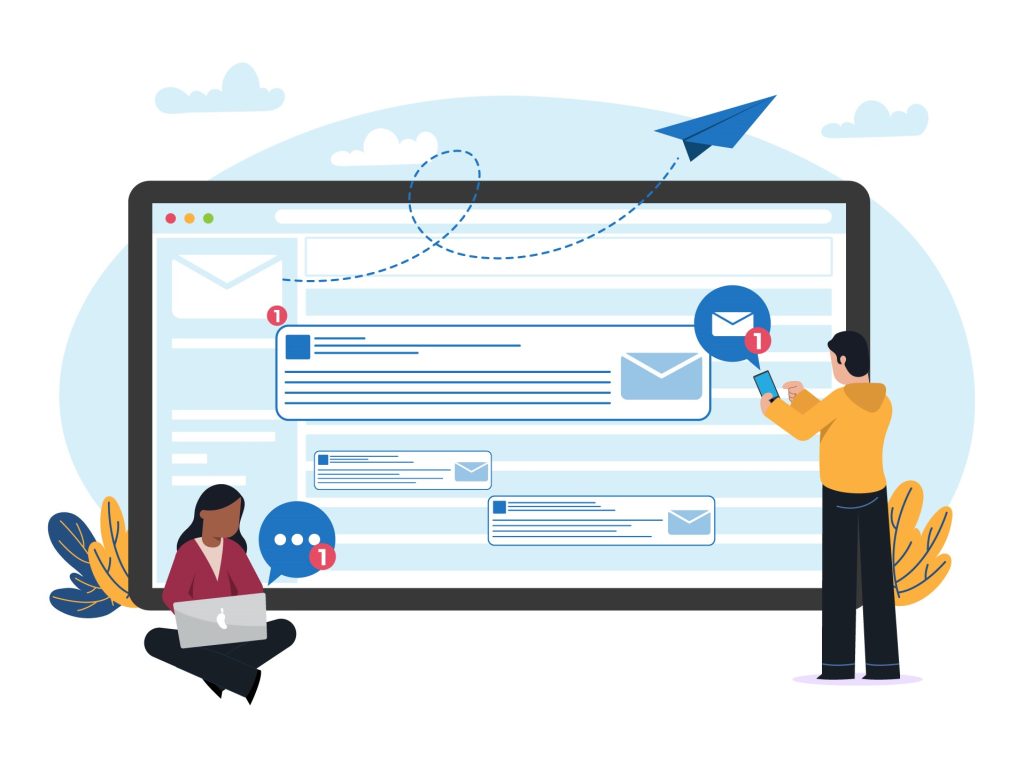
Just like cold emails, your LinkedIn outreach can be measured and optimized with the right tools and data.
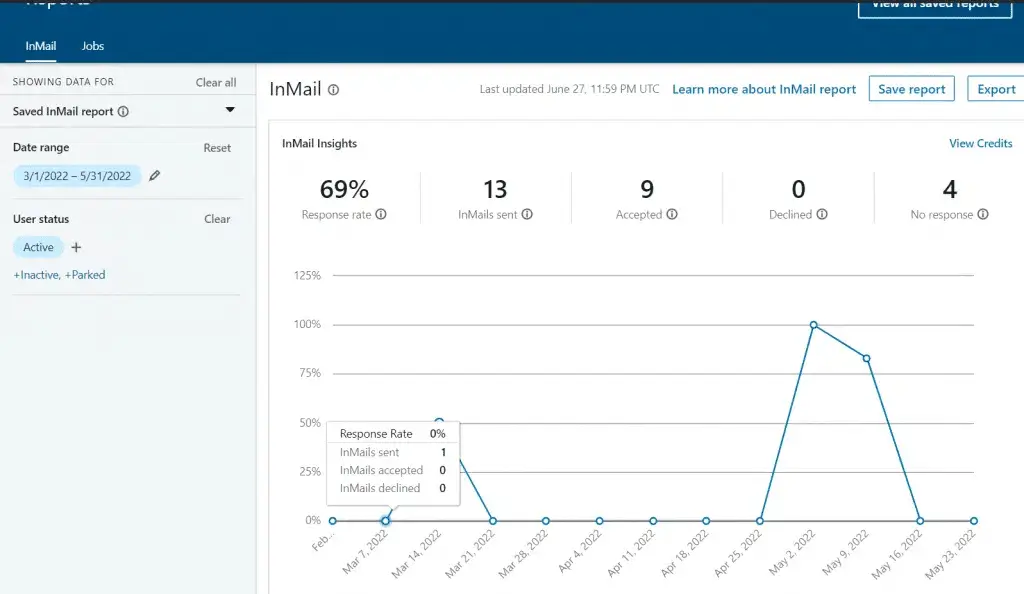
Acceptance Rates, Reply Rates, and Conversions
In the world of LinkedIn messaging, your first success is the acceptance rate: how many of your connection requests are accepted. Once you’re in the door, it’s all about the reply rate. LinkedIn users are often more responsive than email recipients, which is why it’s essential to track this metric. And, just like with cold email, conversions, whether that’s a meeting, a download, or even a reply, are your end goal.
LinkedIn Premium, Templates, and Analytics Tools
For more advanced outreach, tools like LinkedIn Sales Navigator or LinkedIn Premium give you extra muscle. You can send InMail messages to people outside your network, access analytics, and use message templates to save time. Sales Navigator also allows you to track profiles and see who’s engaging with your posts, making it easier to know when to reach out.
How to Combine Cold Email and LinkedIn Outreach for Maximum Results
Why choose one when you can combine both? Using both cold email and LinkedIn outreach together can give you the upper hand, creating a multichannel B2B strategy that’s hard to beat.
Leveraging Both Channels for Multichannel Outreach
The best outreach strategies use multiple channels. By combining cold email with LinkedIn messages, you’re increasing your chances of getting noticed. Start by sending a cold email to warm up the lead, then follow up with a LinkedIn message for a one-two punch that reinforces your connection. It’s like showing up in two places at once—impossible to ignore!
Automating Cold Emails and LinkedIn Messaging Together
Using tools like LinkedFusion, you can automate parts of your outreach, saving you time and keeping your approach scalable. For instance, you can set up automation to send a LinkedIn message to someone a few days after they’ve opened your email, keeping your outreach seamless and timely.
When and How to Follow Up on Both Platforms
The art of the follow-up is knowing when to nudge, and when to give space. For cold emails, following up after 3 to 5 days is standard. On LinkedIn, a week is often a good window. When you’re combining both platforms, use LinkedIn to follow up on emails and vice versa, but be careful not to overwhelm your prospect. Less is more—be strategic about your timing.
Choosing the Right Outreach Method
Now that we’ve covered both cold email and LinkedIn messaging, how do you know which one’s right for you? Let’s break it down.
Factors to Consider: Audience, Budget, and Goals
If you’re targeting a broader audience or don’t have LinkedIn Premium, cold email might be your go-to since it’s cheaper and allows for more scalability. But if your audience is active on LinkedIn and you have a more targeted approach, LinkedIn outreach could be a better fit. Your goals also matter—if you’re building a personal relationship or seeking a long-term partnership, LinkedIn’s personal touch is hard to beat. However, if it’s all about getting the numbers, cold email will get you there faster.
How to Balance Cold Email and LinkedIn Messages for Optimal Results
In the end, the best strategy is often a mix of both. Use cold email for casting a wide net and generating leads, then turn to LinkedIn messages to build relationships with the most promising prospects. It’s all about finding the right balance and knowing when each platform can deliver the best results.
Important LinkedIn Stats to Keep in Mind
When comparing cold emails and LinkedIn messages, it’s crucial to understand the data behind each method. These will help answer questions like:
- Is it better to message someone on LinkedIn or email?
- Is email or LinkedIn better for networking?
Here are some key LinkedIn outreach statistics to help you make informed decisions:
- LinkedIn InMails have a 10-25% response rate, 300% higher than the typical email response rate.
- 89% of B2B marketers see LinkedIn as an effective source for lead generation, far outpacing other social platforms.
- Sales professionals who use LinkedIn report a 45% higher likelihood of exceeding their sales goals, underscoring LinkedIn’s impact on sales success.
- 4 out of 5 LinkedIn members drive business decisions, making it the go-to platform for targeting decision-makers with tailored LinkedIn messages.
- LinkedIn generates 80% of B2B leads from social media, demonstrating its dominance in B2B outreach compared to other platforms.
Frequently Asked Questions
What are LinkedIn InMails and how do they work?
LinkedIn InMails allow you to message people you’re not connected with, making them great for lead generation. They go straight to the inbox, ensuring your message is seen by your target audience.
What is the difference between LinkedIn messages and LinkedIn InMails?
LinkedIn messages are for people you’re already connected with, while LinkedIn InMails let you reach those outside your network. InMails require a Sales Navigator or Premium account, offering a wider reach.
How does automation work in cold outreach?
Automation in cold outreach uses tools to send personalized emails or LinkedIn messages at scale. This helps sales teams send more automated messages efficiently, keeping outreach consistent.
What is cold outreach and why is it important?
Cold outreach is reaching out to new leads via cold emails or LinkedIn cold messaging. It’s key for lead generation and helps grow your network or customer base.
How can LinkedIn messages help in building a sales pipeline?
LinkedIn messages help build a sales pipeline by targeting decision-makers with personalized messages. Tools like Sales Navigator enhance this by finding the right leads and managing follow-ups.
What are the advantages of LinkedIn messages vs cold emails?
Cold emails can reach a larger audience, but LinkedIn messages are more personal and targeted. Combining both provides the best of both worlds for scaling outreach while maintaining personalization.
How can I use both LinkedIn and email outreach for better results?
Using both LinkedIn and cold email creates a multichannel strategy. Start with a cold email, then follow up with a LinkedIn connection request for more visibility and better response rates.