

If you’re still relying on cold emails and generic lists to fill your sales pipeline, you’re already behind. In the world of modern B2B sales, data is your unfair advantage and LinkedIn is your most powerful weapon. With over a billion professionals actively sharing insights, updating job titles, and engaging with content, LinkedIn has now become a real-time, data-rich prospecting engine.
But to tap into its full potential, you need more than a good search. You need a strategy: B2B Data Prospecting.
In this guide, we’ll break down how to use LinkedIn to build laser-targeted lead lists, enrich contact data, and craft multi-channel outreach that actually gets replies.
What Exactly Is B2B Data Prospecting?
B2B data prospecting is the practice of identifying and collecting information about potential clients who may benefit from your product or service. Unlike general lead generation, data prospecting focuses on gathering detailed, actionable data like job roles, company size, industry, and contact info to inform targeted outreach.
On LinkedIn, this often involves:
- Using Sales Navigator or advanced search filters
- Scraping publicly available data
- Verifying and enriching contact details
- Creating lead lists aligned with your Ideal Customer Profile (ICP)
The end goal? Build a high-quality pipeline of prospects that are more likely to convert. Wondering what is the first step in a prospecting strategy? Read on.
Why Data-Driven Outreach Crushes Cold Calls?
In modern B2B sales, guesswork is expensive. Traditional cold calling or email blasting leads to low response rates and wasted resources. But with data-driven prospecting, every touchpoint is purposeful.
Benefits of a data-driven approach:
- Higher conversion rates due to personalized messaging
- Better segmentation of leads based on firmographics and intent
- Stronger alignment between sales and marketing teams
- Faster pipeline velocity
Example:
One of our clients, a SaaS company targeting HR managers, used LinkedIn filters to identify mid-size companies hiring aggressively. By using intent-based data from job postings and LinkedIn activities, they personalized their outreach and saw a 3x increase in reply rates within a month.
Clarify Who You’re Targeting: Your Ideal Customer Profile (ICP)
Before B2B prospecting begins, you need clarity on who exactly you’re targeting. This is where the picture of Ideal Customer Profile (ICP) opens up. Your ICP is a fictional description of the company that would benefit most from your solution.
Key ICP attributes:
- Industry
- Company size (employees, revenue)
- Geography
- Decision-makers’ roles and titles
- Pain points or buying triggers
Many have this question: How do you collect B2B data? Answer is: Use your existing customer data to reverse-engineer your ICP. Identify which accounts have the highest LTV or fastest sales cycles and find similar ones on LinkedIn.
Reddit users say transitioning to B2B prospecting means getting proactive. Start by defining your ICP, leveraging tools, and focusing on personalized outreach to turn cold leads warm.
B2B tech sales prospecting. How does someone even prospect?
byu/Bbwrqueen insales
Types of B2B buyers to Concentrate on
The four main types of B2B buyers typically fall into these categories, each with distinct motivations and decision-making processes:
1. Economic Buyers (Decision-Makers)
These buyers control the budget and make the final call. They care about ROI, cost savings, and business impact.
What they ask: “Will this improve our bottom line?”
2. User Buyers (End Users)
These are the people who will actually use the product or service. They’re focused on usability, efficiency, and whether it solves their day-to-day problems.
What they ask: “Will this make my job easier?”
3. Technical Buyers (Gatekeepers)
Often in IT, compliance, or procurement, these buyers evaluate feasibility, integration, security, and risk. They can block a deal if requirements aren’t met.
What they ask: “Will this work with our existing systems?”
4. Influencers (Advisors or Champions)
These buyers don’t always have the power to say “yes,” but they can heavily influence the decision. They may be internal advocates, consultants, or respected team leads.
What they ask: “Is this the best fit for our needs?”
Understanding these buyer types helps you tailor messaging, objection handling, and value propositions at each touchpoint.
Source Accurate Prospect Data from LinkedIn
LinkedIn Sales Navigator is your best friend in this B2B Data Prospecting process. Its advanced search filters allow you to dig deep into:
- Company headcount growth
- Recent job changes
- Department size
- Buyer intent signals (posts, interactions, mentions)
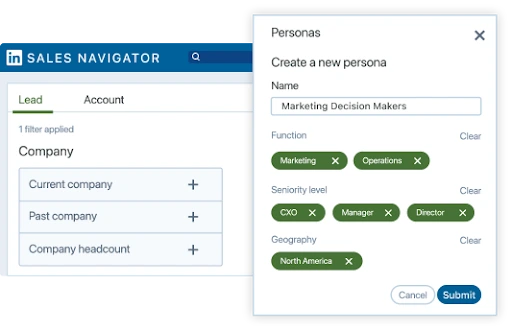
You can also export this data using Linkedfusion, which cleans and formats the lists for CRM integration.
Use Case:
A B2B agency targeting e-commerce brands used Sales Navigator to find CMOs of D2C companies that had just raised funding. They then used Crunchbase and LinkedIn activity to prioritize those showing active growth and generated 20 sales-qualified leads in two weeks.
Reddit users say modern B2B prospecting leans heavily on tools like Sales Navigator, with recent methodologies focusing on intent-based targeting, multi-channel outreach, and personalized sequences over spray-and-pray tactics.
Modern B2B Prospecting
byu/iSawAMoose insales
Enrich and Verify Prospect Data
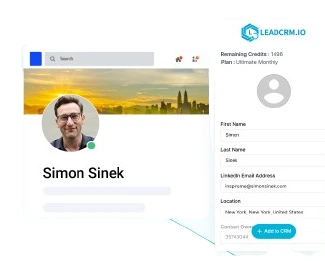
LinkedIn often lacks verified contact information like work emails or phone numbers. That’s where enrichment tools come in. Chrome extensions like LeadCRM help fill in the blanks.
Why this matters in B2B Data Prospecting:
- You avoid bounces and spam traps
- You build trust with accurate personalization
- You increase your reach via email or phone, not just LinkedIn
Best practice: Once you’ve gathered your initial list of prospects, the next step is to enrich and validate your data. Accurate firmographic and technographic details can significantly improve your personalization and outreach success. Tools like RunEleven can help you discover key decision-makers, enhance your lead profiles with real-time data, and prioritize outreach based on buying intent. Leveraging such platforms ensures you’re not just reaching out to people, but to the right people at the right time.
Reddit users often recommend tools like Linkedfusion, Apollo, ZoomInfo, and LinkedIn Sales Navigator for B2B prospecting, citing their rich data, filtering capabilities, and integration with outreach workflows.
What are the best B2B sales tools that you use for prospecting?
byu/Teegster97 insales
Keep Your CRM Organized and Actionable
All your effort goes to waste if your data isn’t organized. Once you’ve sourced and enriched your B2B leads, import them into your CRM (like HubSpot, Salesforce, or Pipedrive).
Tips for CRM hygiene:
- Segment leads by buying stage, persona, and intent
- Use custom fields like “LinkedIn Activity Level” or “Recent Funding”
- Set automated reminders for follow-ups
Clean data allows your sales team to prioritize B2B data prospecting and prevents lost opportunities.
Create Multi-Channel Outreach Sequences
Now comes the fun part: engaging your leads. Relying on just email or LinkedIn DMs is limiting. The most effective approach is multi-touch, multi-channel outreach across:
- LinkedIn (connection requests, DMs, post engagement)
- Email (personalized, value-driven messages)
- Cold calling (for qualified leads)
- Retargeting (via LinkedIn ads or Google)
LinkedFusion’s AI Messaging feature allows you to send highly personalized LinkedIn messages at scale without sounding robotic. You can craft dynamic templates that auto-insert details like job titles, industries, or pain points based on the prospect’s profile. Plus, the platform adapts messaging based on engagement, making your outreach smarter over time.
This is a game-changer for teams handling dozens or hundreds of leads daily, helping you break through LinkedIn’s noise while keeping your messaging human and relevant.
Use Case:
A B2B SaaS firm targeting CTOs ran a 4-touch sequence:
- LinkedIn connect
- Like/comment on a post
- Personalized email
- LinkedIn DM with value pitch
This approach resulted in a 38% reply rate and multiple demo bookings within 10 days.
Optimize for Conversions with Practices That Break Through
Even if you have a list of perfectly matched prospects and verified contact data, your outreach will flop without a strong execution strategy. Why? Because your prospect’s inbox is a battlefield filled with boring, irrelevant, and pushy messages. To rise above the noise, you need messaging that resonates, timing that works, and a system that adapts based on real-world feedback.
Here’s how to optimize your outreach for higher conversion rates:
1. Personalize Like You Actually Care
B2B data prospects can sniff out automation from a mile away. Don’t just swap in a first name and call it “personalized.”
Specific ways to personalize:
- Reference a recent LinkedIn post or comment the prospect made.
- Mention a specific initiative at their company (e.g., “Saw you’re hiring aggressively for your sales team—sounds like growth is a key focus!”).
- Tie your offer to their likely pain point (e.g., “I noticed you’re in B2B SaaS and recently launched on Product Hunt—want help scaling the outreach that follows?”).
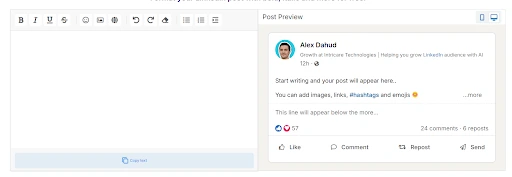
Tool Tip: Use tools like LinkedIn Text Formatter to personalize at scale.
2. Lead with Value, Not Your Product
Your first message shouldn’t be a pitch. It should be an insight, a resource, or a compelling question.
Examples of value-first outreach:
- Share a short case study relevant to their industry.
- Offer a free audit, report, or template.
- Ask a question like: “I’m seeing a trend among FinTech CMOs doubling down on outbound this quarter. Curious? Are you exploring the same?”
This shows you’re not here to sell, you’re here to help.
3. Master the Follow-Up Game
One message isn’t enough B2B data prospecting. Studies show 60–80% of responses come after the third touchpoint. But most people give up after one.
Best practices for follow-ups:
Add new value with each touch (not just “bumping this up”). Space them out every 2–3 days. Before you send that connection request or InMail, LinkedFusion’s AI Commenting feature helps you build rapport organically. It scans your prospects’ recent posts and leaves relevant, human-sounding comments automatically. This increases the chances they’ll recognize your name and accept your request, or even respond before you pitch.
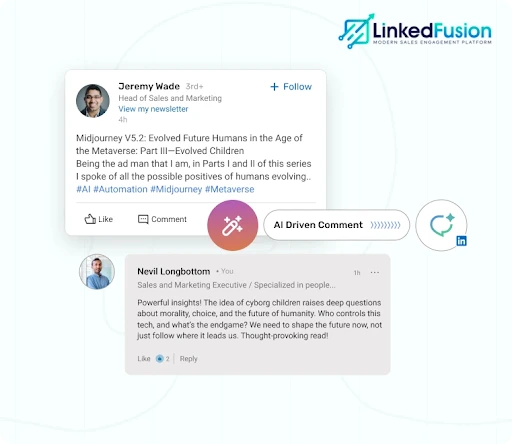
This pre-outreach engagement boosts conversion rates because your first message won’t feel like it came out of nowhere, it’ll feel like a continuation of the conversation.
Example sequence:
Day 1 – Personalized email
Day 3 – LinkedIn connection request with short intro
Day 6 – Follow-up email with social proof
Day 10 – Comment on a recent post
Day 12 – Final DM or soft breakup email
4. Test Relentlessly: Let Data Guide You
Your gut might be wrong. A/B testing lets you optimize based on real behavior.
What to test:
- Subject lines: Try curiosity vs. benefit-driven (e.g., “Quick idea for [Company]” vs. “How [Competitor] doubled demos”)
- CTA types: Direct ask (“15 mins this week?”) vs. low-commitment (“Worth exploring?”)
- Send times: Test mornings vs. afternoons in their time zone.
Use tools like Smartlead, Lemwarm, or Mailreach to test, warm up inboxes, and measure results for B2B data prospecting.
Use Sifflet’s Data Quality Monitoring tool to detect anomalies, track lineage, and ensure accuracy across your pipelines.
5. Time It Right Because Timing Is Everything
Your perfect message still won’t convert if it lands at the wrong time. Research consistently shows that Tuesdays to Thursdays between 9–11 AM in your prospect’s local time zone yield the best open and response rates.
But don’t stop there. Use tools like Instantly or Woodpecker that send emails based on the recipient’s time zone and auto-adjust based on open behavior.
Scale Smart: Supercharge B2B Data Prospecting with Scraping Tools
To go from manual to scalable, scraping tools are essential. These tools can automate:
- Profile visits
- Data scraping from search results
- Auto-connecting with custom messages
- Extracting emails and phone numbers from public data
Important: Stay within LinkedIn’s fair usage limits or use dedicated LinkedIn automation accounts to avoid restrictions.
Final Thoughts
LinkedIn B2B data prospecting isn’t about collecting random profiles; it’s about building a scalable, repeatable system that targets the right people with the right message. When you combine sharp targeting, clean data, and personalized outreach, you turn LinkedIn into a revenue engine.
Whether you’re a founder doing outbound solo or a sales team building a pipeline, this structured approach will help you generate high-quality leads that convert.