


If you’re still trying to sell your products or services through various direct channels alone, you’re leaving growth on the table. Relying solely on in-house teams to handle every sale, campaign, and market expansion can slow you down and burn out your resources.
That’s where channel marketing comes in.
By working with intermediaries like distributors, resellers, retailers, and affiliates, businesses can distribute and sell their products faster, more efficiently, and to wider target markets. Whether you’re a B2B SaaS brand or a consumer electronics company, an effective channel marketing strategy allows you to enter new markets, boost brand recognition, and increase sales and revenue without stretching your internal teams thin.
In this blog, we’ll break down the full process of building a successful channel marketing strategy, explore real-world examples of channel marketing, and share actionable best practices to help you identify the right partners and scale smarter.
What is Meant by Channel Marketing and Why Does It Matter?
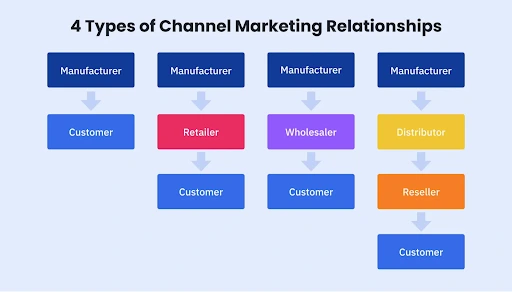
Channel marketing is a strategic approach where businesses advertise and sell their services or products through various third-party channel partners, including distributors, resellers, retailers, and affiliates, rather than selling products directly to the customer. It’s an effective channel for companies that want to scale quickly without building their own direct sales force.
This method of selling involves working with intermediaries to distribute and sell their products. It allows companies to reach new markets, leverage existing customer relationships of channel partners, and offer tailored channel marketing offers aligned with local or niche preferences.
Unlike direct marketing, channel marketing involves collaboration and ongoing support between the business and the channel partner. It requires clear communication, training, and resources to align everyone’s marketing goals.
Reddit users share mixed opinions on the most effective marketing channels, often emphasizing that it really depends on the product, audience, and budget.
Effective Marketing Channels
byu/Traditional-Crab-388 inecommerce
The Key Benefits of Channel Marketing
One of the major benefits of channel marketing is that it allows businesses to scale their marketing initiatives cost-effectively. By using channel partners who already have a solid presence and trust in their markets, businesses can reduce the overhead costs associated with advertising and marketing.
Moreover, it increases brand recognition, expands customer base, and helps you connect with your target audience faster. Whether it’s a wholesaler purchasing products in bulk or a retail store selling products directly to the consumer, the network creates an expansive reach.
Finally, a well-executed channel marketing program improves channel performance and helps identify areas for improvement, while giving channel marketers real-time insights into how their marketing campaigns are performing across different channels.
Types of Partners in a Channel Marketing Ecosystem
The channel ecosystem is rich and diverse, consisting of various types of partnerships. These include:
1.) Distributors:
Distributors buy products in bulk and resell them to retailers or resellers. They handle logistics, warehousing, and inventory management.
Examples:
- Ingram Micro (IT & electronics)
- Tech Data (cloud and IT solutions)
- Redington India (tech and mobility distribution)
2.) Resellers:
Resellers may rebrand, bundle, or provide additional services with your product before selling it to the end customers.
Examples:
- Softchoice (IT solutions and services)
- SHI International (hardware/software for enterprises)
- CDW (IT services and infrastructure)
3.) Retailers:
Retailers sell products directly to the consumer, either online or through physical stores.
Examples:
- Amazon (eCommerce giant)
- Walmart (omnichannel retail)
- Best Buy (electronics and appliances)
- Reliance Digital (India-based electronics retail store)
4.) Affiliates:
Affiliates promote your services or products through blogs, social media, or YouTube and earn a commission per sale or lead.
Examples:
- ShareASale
- CJ Affiliate (formerly Commission Junction)
- Impact.com
- Influencers with Amazon Affiliate links or product shout-outs on Instagram
5.) Wholesalers:
They serve a similar role to distributors but often specialize in specific verticals or geographic regions.
Examples:
- Metro Cash & Carry
- Costco Wholesale (for select B2B categories)
6.) Online Marketplaces:
These are platforms that allow brands to list and sell their products without maintaining their own eCommerce site.
Examples:
- Amazon
- eBay
- Flipkart
- Alibaba / AliExpress
- Moglix (B2B industrial products)
By choosing the right mix of channel partners, businesses can widen their reach and ensure that their products to market are delivered seamlessly.
Reddit users say choosing the right marketing channels is all about testing and iterating, with no single channel working universally for every product or audience.
How do you choose the right marketing channels for your product or service?
byu/shellformew inmarketing
How to Build a Successful Channel Marketing Strategy?
Step 1: Understand What Channel Marketing Involves
Before jumping into tactics, understand the core concept:
Channel marketing involves working with intermediaries like a distributor, affiliate, or retailer to sell your product rather than directly to customers.
This approach allows businesses to:
- Reach new markets
- Expand their customer base
- Sell through different channels
- Leverage the credibility and reach of reputable channel partners
Companies selling products or services through various partners must customize their marketing strategies to suit each channel partner type.
Step 2: Define Your Business Goals and Target Market
All channel marketing initiatives should begin with clarity.
- What are your business goals? (e.g., more leads, new territory penetration, faster time-to-market)
- Who is your target market or target audience?
- What do you expect from your channel marketing efforts?
Setting clear marketing goals allows you to align your channel offers and marketing campaigns with what really matters.
Step 3: Identify Potential Channel Partners
Now that you know where you’re going, identify who can help you get there.
Identify potential channel partners based on:
- Their access to your target market
- Experience in your industry
- Ability to sell your product or service
Types of channel partners may include:
- Distributors who buy in bulk and resell to retailers or resellers
- Resellers who add services or customization
- Retailers who manage stores that sell your products
- Affiliates who promote and earn a commission on referred sales
- Wholesalers who supply products in bulk
Choosing your channel is critical. Work only with the right partners who align with your values, audience, and capabilities.
Step 4: Develop a Successful Channel Marketing Strategy
This is the blueprint for your entire channel marketing program.
Your successful channel marketing strategy should include:
- Clear roles for each channel partner
- Joint marketing initiatives and co-branded assets
- Defined communication workflows
- Marketing materials (brochures, videos, ads) tailored for each partner
Developing a successful channel marketing strategy requires consistency, collaboration, and regular evaluation.
It’s also essential to onboard partners with the right tools, whether it’s a CRM, marketing automation, or training platform, so they can promote and sell your product efficiently.
To scale your channel marketing initiatives across multiple channel partners, from distributors to affiliates, using a marketing automation tool can drastically improve efficiency. These tools help streamline marketing activities, automate email sequences, track channel performance, and personalize marketing materials for each partner.
Step 5: Provide Support and Training
Providing support and training to ensure alignment is non-negotiable. Channel partners are not just salespeople—they’re your brand ambassadors.
Offer:
- Product training
- Sales enablement kits
- Access to marketing materials
- Ongoing Q&A and coaching
Remember, providing ongoing support builds strong partner relationships and keeps channel performance high.
You should also educate partners on how to position your channel marketing offers and align with broader advertising and marketing efforts.
Step 6: Launch Joint Marketing Campaigns
Execute joint marketing campaigns with your channel partners using:
- Co-branded content
- Webinars and events
- Localized advertising
Customize your channel marketing initiatives to suit each intermediary’s region, niche, or segment. Affiliate marketing can also play a big role here, especially in B2C markets.
This stage transforms your strategy into real-world marketing activities across different channels.
Step 7: Monitor Channel Performance and Optimize
A strategy is only as strong as its execution.
Use CRM tools and analytics to:
- Track sales from each channel partner
- Measure channel performance
- Identify areas for improvement
Review your channel marketing strategies periodically to refine processes, improve ROI, and strengthen your relationships with channel partners.
This stage ensures your channel marketing remains cost-effective and profitable long-term.
Step 8: Scale Across More Channels
Once you’ve established a few solid channel partner relationships, consider expanding:
- Add more retailers, affiliates, or resellers
- Enter new markets or regions
- Offer incentives for top-performing channel partners
Keep adapting to stay competitive and maintain a competitive edge. Always work on choosing the right new partners who identify your products or services and can sell their products or services effectively.
Step 9: Review, Iterate, and Improve
The final step in channel success is continuous improvement. Evaluate every component:
- Are you meeting your marketing goals?
- Is your channel ecosystem balanced?
- Are you offering the right channel offers?
Make use of partner feedback and marketing automation reports to optimize.
This cyclical approach ensures your channel marketing efforts continue to deliver results across distribution channels and marketing channels.
Best Practices for Effective Channel Marketing
Here are some best practices to strengthen your effective channel marketing strategy:
- Provide ongoing support – Equip partners with the right tools, marketing materials, and onboarding resources.
- Foster strong partner relationships – Communication and transparency are essential to maintain trust and performance.
- Align marketing initiatives – Tailor your channel marketing initiatives to meet local demands and partner capabilities.
- Use data and automation tools – Monitor results to analyze areas for improvement and measure ROI.
- Maintain a competitive edge – Incentivize reputable channel partners and ensure they have the resources to sell their products or services effectively.
Reddit users often mention that for small businesses on a tight budget, organic channels like social media and community engagement tend to deliver the best value.
What marketing channels have been the most effective for promoting your small business on a tight budget?
byu/wademarketing insmallbusiness
What is an Example of a Marketing Channel?
Let’s explore a few examples of channel marketing that highlight its versatility:
- Tech Companies & Resellers: Software firms often work with value-added resellers (VARs) who customize the solution and sell your product to niche markets.
- Affiliate Marketing Networks: E-commerce platforms use affiliate marketing to drive traffic from blogs and influencers who earn a commission for each sale.
- Retail Distribution Models: Consumer brands collaborate with retailers and distributors to stock their items in retail stores and online marketplaces.
These examples show that channel marketing is different for every industry, but the goal is the same: to expand reach, increase brand awareness, and drive sales and revenue.
Final Thoughts: Scale Smarter with the Right Channel Marketing Approach
Channel marketing allows businesses to sell their products or services through trusted intermediaries, giving them access to new customers and channels to reach their target audience. Whether you’re working with a distributor, affiliate, or retailer, success lies in developing a successful channel marketing plan and nurturing partner relationships.
Ready to supercharge your channel marketing efforts?
Start building your channel marketing strategy today and unlock growth through the power of the right partners.
FAQs
A channel marketer manages channel marketing strategies, works with channel partners, creates marketing materials, and supports partners to help sell products or services efficiently.
Channel marketing in B2B involves using distributors, resellers, or affiliates to sell products or services to other companies instead of selling directly to customers.
B2C channels are platforms or partners that help businesses sell their products directly to the consumer. Common examples include Amazon, Flipkart, Walmart, Reliance Digital, and affiliate programs like Amazon Associates.